

Clients increasingly present with emotional and physiological responses that continue long after the original experiences themselves have passed.
This is the first sign of trauma.
These clients often :
-
understand their difficulties intellectually
-
can reflect insightfully on their patterns
-
yet respond as though the experiences remains present
For practitioners this can leave therapy feeling repetitive, clinically uncertain, and with clients who seem unable to move forward difficult meaningfully.
EMDR was developed specifically to work with this dimension of emotional processing.
WHO - Recognised Trauma Approach
Trauma-Informed Clinical Integration
Reflective Practitioner Training
Structured for Therapeutic Application
.png)
Therapeutic Work is Evolving
As trauma presentations increase many practitioners look to therapeutic models that work beyond cognitive understanding alone.
Effective trauma therapy often integrates top-down (cognitive) and bottom-up (somatic) approaches to address both the conscious mind and the physiological nervous system.
EMDR which combines cognitive rewiring and the release of physical tension has become increasingly relevant across:
-
counselling
-
psychotherapy
-
healthcare
-
integrative practice
-
behavioural and emotional wellbeing work
What is EMDR?
Based on the Adaptive Information Processing (AIP) model, Eye Movement Desensitisation and Reprocessing (EMDR) is a structured, evidence-informed therapeutic approach recommended by the World Health Organization as a first-line treatment for psychological trauma.
EMDR works with how unresolved experiences remain insufficiently processed within memory networks – and contribute to ongoing emotional, behavioural, and physiological activation.
Rather than focusing on insight alone, EMDR helps practitioners work more directly with unresolved emotional responses and recurring patterns.
.png)
What Can Change
More than insight
More than coping
A more structured way of working with
Emotional Complexity
Many practitioners who incorporate trauma-informed EMDR approaches report:
-
clients are able to break through emotional stagnation and repetitive cycles
-
greater stabilisation as clients develop emotional regulation
-
improved practitioner confidence with emotionally complex presentations
-
better therapeutic direction and case conceptualisation
-
a more structured way of approaching emotionally complex work
The move towards this flexible phased approach helps therapy to feel clearer again.
Not simply because they are learning another technique —
but because they develop a clearer therapeutic framework for working with trauma-related therapeutic work.
A turning Point in Therapeutic Work
More than learning another approach — EMDR helps therapy feel clear again
It utilizing bilateral stimulation to unlock and reprocess traumatic memories that have become "stuck" in the brain.
This allows the brain to process memories, reducing emotional intensity and transforming vivid, distressing experiences into distant, manageable memories
The result is
-
greater therapeutic clarity
-
more confidence with emotional activation
-
a more structured way of approaching trauma-related work
Speak with the team to explore whether this training is relevant to your current therapeutic work.
The LSCCH - LCCH
Asia Group Approach
At LSCCH-LCCH Asia group, the focus is not simply on learning EMDR technically.
The emphasis is also on:
-
understanding emotional activation clinically
-
recognising when stabilisation is needed
-
pacing processing safely
-
identifying readiness for deeper processing work
-
integrating EMDR into real therapeutic practice
-
developing confidence in emotionally complex presentations
The goal is not simply protocol familiarity — but trauma-informed clinical confidence.
.jpg)
Clients We Have Worked With
.jpg)

Professional Development Pathway
EMDR is offered as part of the wider Advanced Practitioner Diploma in Integrative Psychotherapy pathway, designed for practitioners who want to deepen their clinical range beyond single-method training.
Participants may learn EMDR as a technique on its own, or as part of a broader integrative framework for working with trauma, emotional processing, client complexity, and therapeutic formulation.
EMDR is understood not simply as a technique, but as one important component within a more complete practitioner development pathway.
What Makes This Training Different
Many EMDR trainings focus heavily on procedural delivery.
At LSCCH-LCCH Asia group, the emphasis also includes:
-
trauma-informed clinical integration
-
real therapeutic work
-
understanding emotionally conditioned responses and persistent activation patterns
-
practical case application across trauma-related presentations, phobias and deep rooted emotional distress
Applied to a wide range of symptoms including entrenched habits and addictive behaviours.
All Videos
All Videos
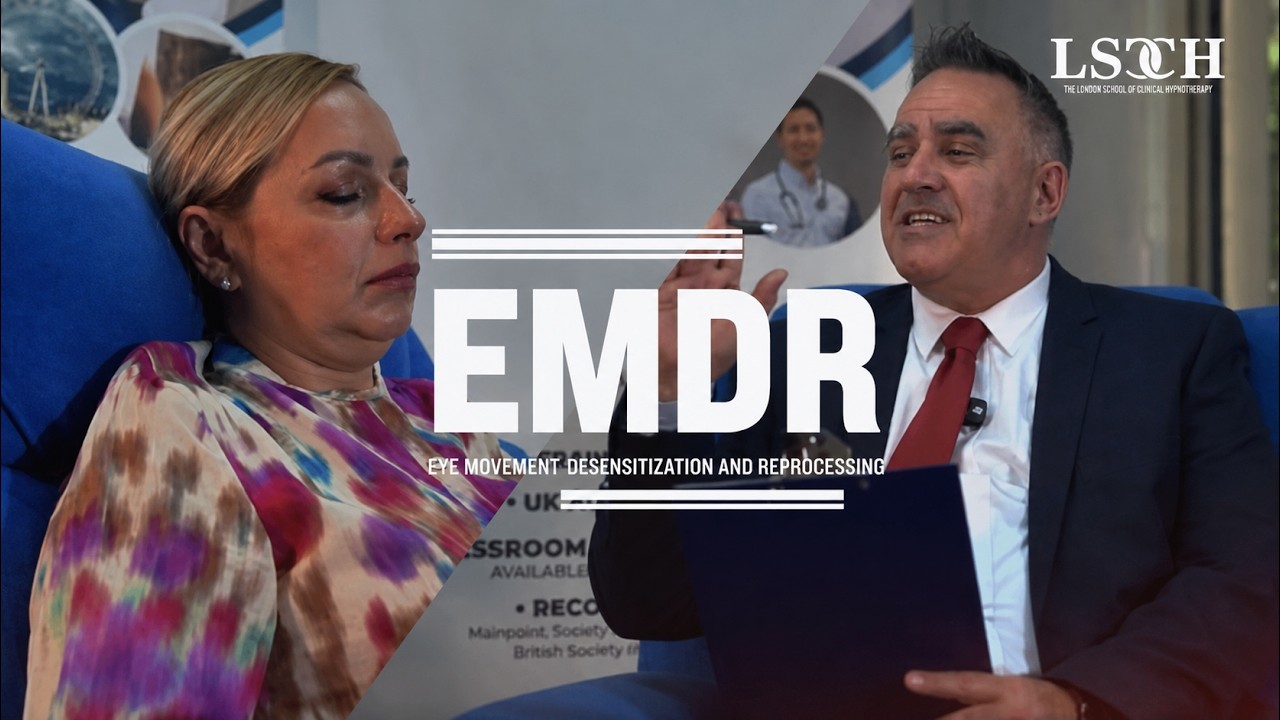
EMDR Testimonials LSCCH - LCCH Asia Group

EMDR Testimonials LSCCH - LCCH Asia Group

EMDR Testimonials LSCCH - LCCH Asia Group
Why Do People Choose EMDR?
Who is This Training For?
Designed for practitioners already working with emotional, behavioural, or trauma-related presentations.
Suitable for:
-
therapists, counsellors, and psychologists
-
medical professionals and healthcare practitioners
-
integrative psychotherapists
-
professionals working within trauma-informed approaches
This is structured professional clinical development —
not introductory therapy training.

This Training May Be Relevant If You Are:
-
working with emotionally activated clients
-
encountering repetitive emotional cycles in therapy
-
wanting greater confidence with trauma-informed work
-
looking for more structured ways of approaching emotional processing
-
seeking clinically integrated EMDR training

Accreditations
LCCH and LSCCH operate within a structured clinical education framework aligned with recognised standards. This supports the development of competent EMDR therapist Malaysia practitioners through credible clinical training pathways.

